Education & Learning

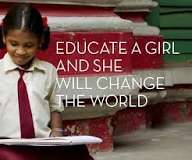
ENCOURAGE GIRL CHILD EDUCATION.

A girl child refers to a female human being from birth through adolescence, typically up to the age of 18. This stage of life is critical, as it shapes future opportunities, wellbeing, and participation in society. Across the world, the concept of the girl child is often used to highlight the specific rights, needs, and developmental challenges faced by girls, particularly in areas such as education, health, and social inclusion.

Education for the girl child is widely recognized as one of the most effective pathways to individual empowerment and societal progress. When girls have access to quality education, they gain essential knowledge, skills, and confidence that enable them to make informed decisions about their lives. Educated girls are more likely to complete secondary education, participate in the workforce, and contribute meaningfully to their communities. These outcomes extend beyond the individual and positively affect families, economies, and national development.

UNESCO emphasizes girls’ education as a fundamental human right and a cornerstone of sustainable development. Through its Education 2030 Agenda and its commitment to Sustainable Development Goal 4 on inclusive and equitable quality education, UNESCO advocates for equal access to education for all girls. The organization highlights that educating girls leads to improved health outcomes, reduced poverty, and stronger civic participation. According to UNESCO, education also plays a critical role in breaking cycles of discrimination and exclusion that have historically limited opportunities for girls.

Despite global progress, many girls still face barriers to education. Cultural norms, early marriage, poverty, insecurity, and limited access to schools continue to prevent millions of girls from attending or completing school. In some communities, outdated beliefs undervalue girls’ education, viewing it as unnecessary or less important than that of boys. These challenges not only restrict individual potential but also hinder long-term social and economic development.

Educating the girl child has proven to be a powerful strategy for poverty reduction. Studies consistently show that women with higher levels of education tend to earn higher incomes, have healthier families, and invest more in their children’s education. This creates a positive cycle that strengthens families and promotes economic stability. From UNESCO’s perspective, investing in girls’ education is not a cost but a long-term investment with measurable returns for society.

International organizations such as UNESCO and UNICEF, alongside initiatives supported by global partners including the G7, continue to prioritize girls’ education by promoting policies that improve access, quality, and safety in learning environments. These efforts focus not only on enrollment but also on literacy, life skills, and the creation of inclusive spaces where girls can learn without fear of discrimination or violence.

Encouraging girl child education is ultimately about building a more just and resilient world. When girls are educated, communities become healthier, economies grow stronger, and societies move closer to equality and peace. Supporting the education of the girl child remains one of the most effective ways to shape a sustainable and inclusive future for all.

author-avatar

About Jude John Nwali

My name is Jude John Nwali, from Onicha Local Government Area of Ebonyi State, a Roman Catholic Catechist, Social Worker, An Advocate, Marriage Counselor, Events Manager, Catering Management, An Educator, Writer, Music Artiste, Social Standard Practitioner, Environmental Standard Practitioner, etc.

Leave a Reply

Your email address will not be published. Required fields are marked *