Education & Learning

Youth Participation in Community Development

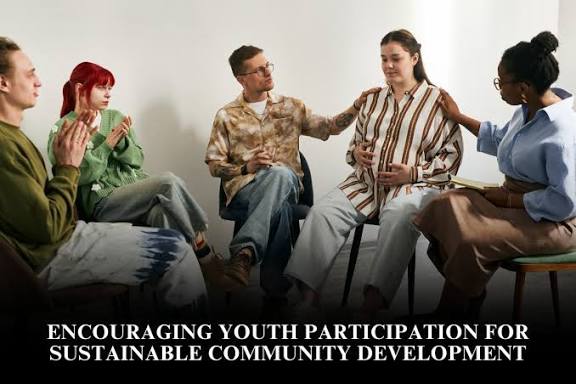
Youth participation in community development is a vital driver of social progress and sustainability. Young people bring energy, creativity, and a strong sense of responsibility to community initiatives. Their involvement strengthens accountability, encourages innovation, and ensures that development efforts remain relevant to present and future generations.

Youth participation goes beyond volunteering or symbolic inclusion. It involves young people actively engaging in decision-making processes, identifying community challenges, and contributing to solutions. Because youths live within these communities, they often have firsthand knowledge of local needs, social dynamics, and emerging issues. This positions them as important stakeholders and contributors rather than passive beneficiaries of development programs.

From a development perspective, involving youths fosters leadership, civic responsibility, and social cohesion. When young people are encouraged to participate, they gain practical skills such as communication, collaboration, and problem-solving. These competencies not only strengthen communities but also prepare youths for meaningful roles in society. Communities that invest in youth participation are more likely to experience long-term stability and inclusive growth.

UNESCO emphasizes youth participation as a cornerstone of sustainable development and democratic governance. Through its work on youth engagement, global citizenship education, and social inclusion, UNESCO highlights the importance of empowering young people to actively shape the communities they live in. According to UNESCO, meaningful youth participation helps promote peace, strengthens institutions, and supports inclusive decision-making at local and national levels.

In the digital age, youth participation has taken on new dimensions. Young people are increasingly using technology and social media to organize, advocate, and raise awareness about community issues. These tools allow youths to mobilize support, share information, and hold leaders accountable. When guided by critical thinking and ethical values, digital engagement can become a powerful force for positive social change. Communities that embrace youth-led digital initiatives are better positioned to adapt to modern challenges.

Despite their potential, youths are often excluded from community development processes due to age-based stereotypes or lack of trust in their capabilities. This exclusion limits innovation and weakens development outcomes. Recognizing youths as capable contributors rather than future participants is essential. Creating safe and inclusive spaces where young people can express ideas, lead initiatives, and influence policies is key to unlocking their potential.

Youth participation also plays a crucial role in achieving sustainable development. Young people are deeply connected to the future and often demonstrate strong commitment to issues such as environmental protection, social justice, and economic inclusion. Their involvement ensures that development efforts are forward-looking and responsive to long-term challenges. Encouraging youth leadership in community growth supports sustainability not only in practice but also in vision.

Ultimately, youths are not only the future of society; they are active agents of change in the present. Encouraging their participation in community development strengthens resilience, promotes innovation, and builds inclusive communities. When youths are empowered to contribute meaningfully, community development becomes more sustainable, equitable, and impactful.

author-avatar

About Jude John Nwali

My name is Jude John Nwali, from Onicha Local Government Area of Ebonyi State, a Roman Catholic Catechist, Social Worker, An Advocate, Marriage Counselor, Events Manager, Catering Management, An Educator, Writer, Music Artiste, Social Standard Practitioner, Environmental Standard Practitioner, etc.

Leave a Reply

Your email address will not be published. Required fields are marked *